Gastric sleeve surgery, also known as sleeve gastrectomy, is a transformative procedure designed to aid in significant weight loss by removing a large portion of the stomach, leaving a smaller, sleeve-shaped stomach. While this surgery offers a life-changing opportunity to achieve lasting weight loss, it also comes with lifelong dietary restrictions to ensure optimal results and prevent complications. So, what can you never eat again after gastric sleeve surgery? Let’s explore the foods that should be avoided permanently to maintain a healthy, successful post-surgery lifestyle.
What foods you can never eat after gastric sleeve surgery
Following gastric sleeve surgery, the stomach becomes significantly smaller, leading to various adjustments in food intake. The size reduction limits the food you can consume, meaning you must be particularly cautious about your food choices. Some foods should be entirely avoided due to the complications they cause, such as digestive discomfort, blockages, and even more severe issues like dumping syndrome.
1. Bread, pasta, and rice
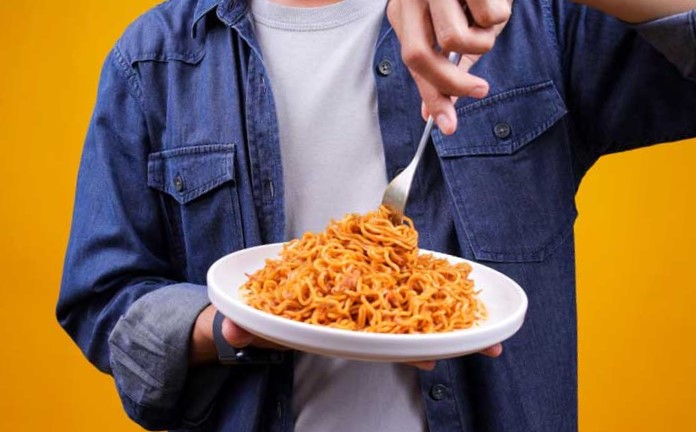
While bread, pasta, and rice might be staples in many diets, they are some of the first foods you can never eat after gastric sleeve surgery. These foods, when consumed after surgery, have a tendency to expand within the stomach, becoming dense and doughy. This change in texture can cause severe discomfort, blockages, or even vomiting. Additionally, these foods are slow to digest and can lead to a feeling of fullness or pressure in the stomach. This is especially important during the recovery phase when the stomach needs time to heal and adjust to its new size.
2. Fried and greasy foods
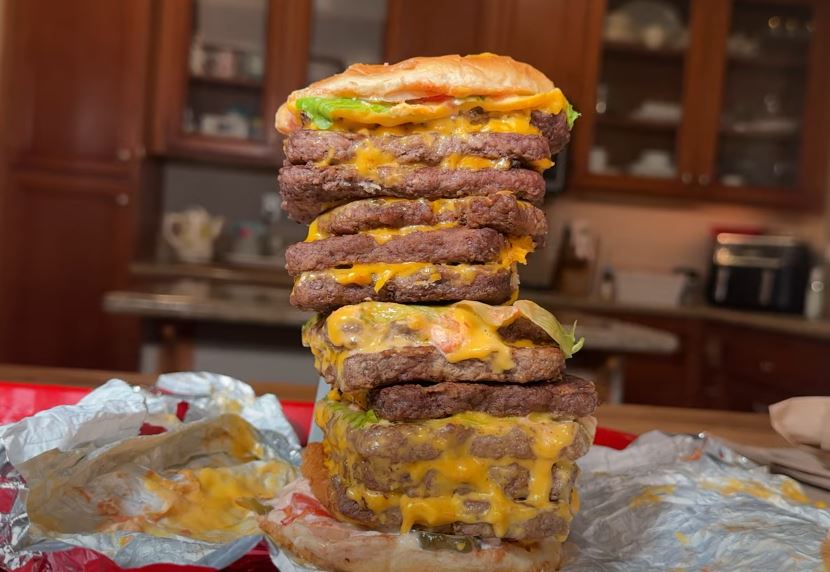
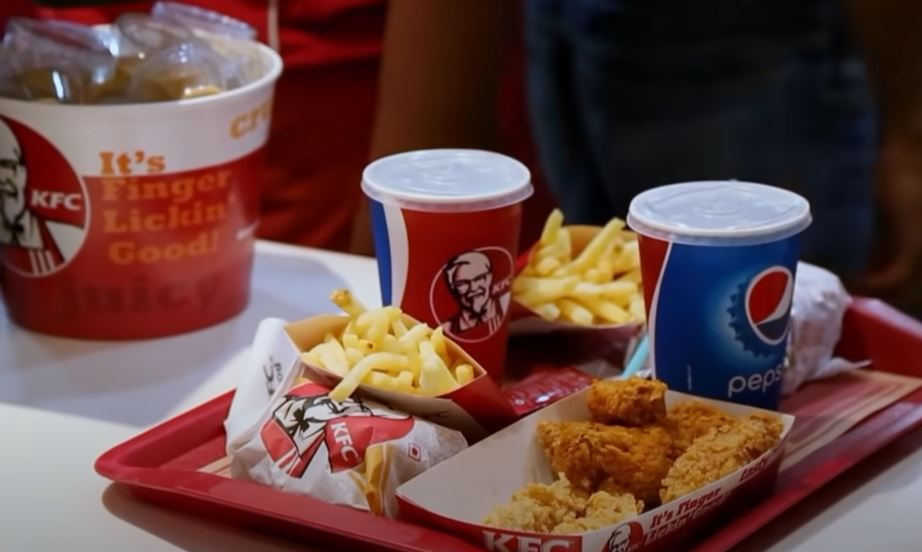
Fried foods, such as crispy chicken, burgers, and French fries, are packed with unhealthy fats that are difficult for your newly reduced stomach to process. After gastric sleeve surgery, foods to avoid after gastric sleeve include anything that is fried or greasy. These foods can cause nausea, digestive discomfort, bloating, and dumping syndrome. The body, post-surgery, processes fats differently, and high-fat foods can lead to severe digestive issues that slow down recovery and hinder long-term success.
3. Sugary snacks and sweets

Sugary snacks and desserts are one of the top items you can never eat after gastric sleeve surgery. Items like cakes, cookies, and candies are loaded with empty calories that contribute little to nutritional health. After surgery, the body’s tolerance for sugar is significantly reduced, and consuming sugary foods can trigger dumping syndrome—a condition that leads to symptoms like nausea, dizziness, sweating, and rapid heart rate. Moreover, these foods can also hinder weight loss efforts and cause a relapse in your dietary progress.
4. Alcohol
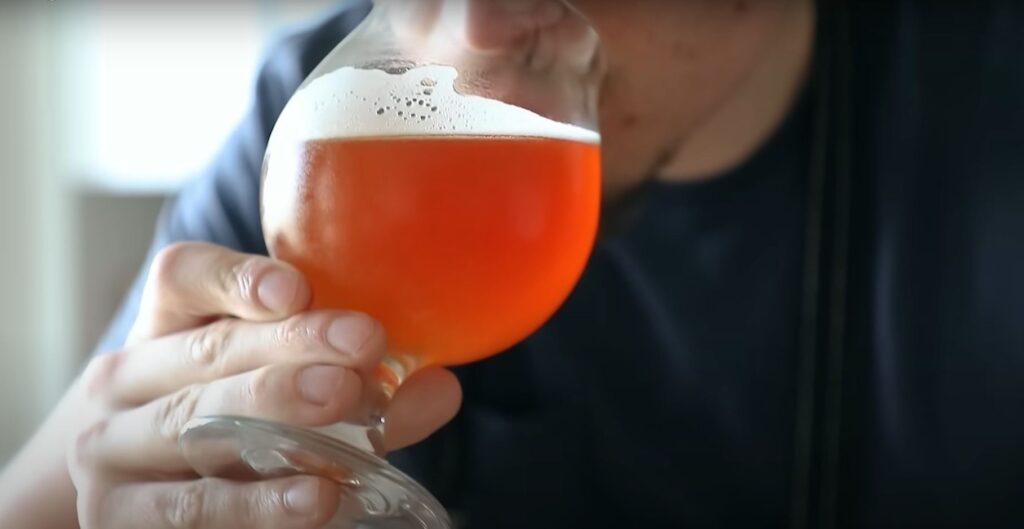
It is advised that foods you can never eat after gastric sleeve surgery include alcohol, and for good reason. After surgery, alcohol is absorbed more rapidly into the bloodstream, increasing the risk of intoxication and dehydration. Additionally, alcohol can irritate the stomach lining, causing inflammation, discomfort, and even ulcers in some cases. While moderate alcohol consumption may be reintroduced later, many patients are advised to avoid alcohol entirely for the first year post-surgery to ensure the best possible recovery and prevent complications.
5. Carbonated beverages
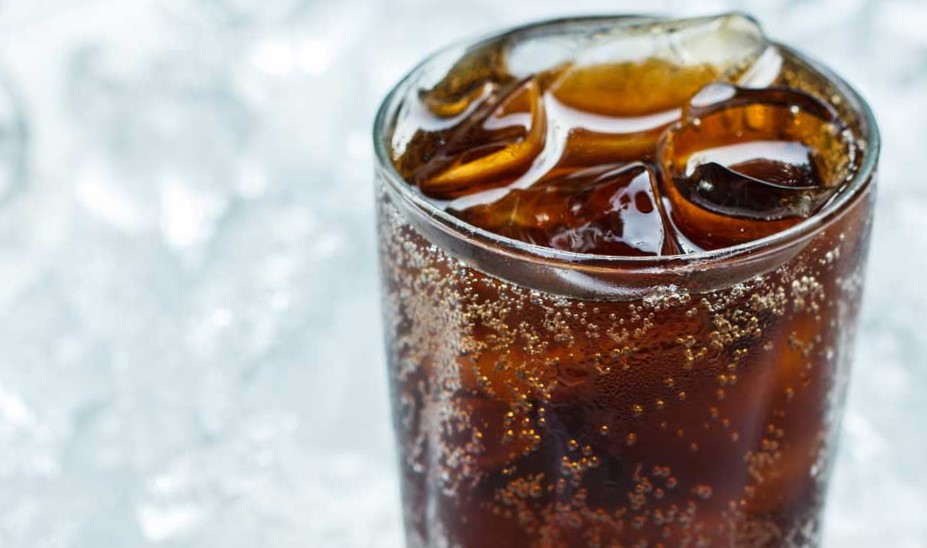
Carbonated drinks, such as sodas and sparkling water, are things you can’t do after gastric sleeve surgery. The gas in these beverages can lead to bloating, discomfort, and a feeling of fullness that can feel overwhelming for patients who have undergone gastric sleeve surgery. The carbonation can cause the stomach to stretch or expand, leading to discomfort and sometimes regurgitation. Instead, it’s best to stick to non-carbonated liquids like water, decaffeinated tea, and diluted fruit juices to ensure proper hydration and prevent discomfort.
What foods cannot be eaten after bariatric surgery?
Bariatric surgery, including gastric sleeve surgery, requires significant dietary modifications to maintain long-term success and avoid complications. After surgery, patients should avoid certain foods entirely to ensure their stomach heals properly and stays free of complications. So, what foods cannot be eaten after bariatric surgery?
Steak and tough meats
Tough cuts of meat, like steak or pork, are among the hardest foods for your stomach to digest after gastric sleeve surgery. These meats are dense and require extensive chewing, which can be challenging for patients who are still adjusting to their new stomach size. Additionally, tough meats can get stuck in the small stomach pouch, leading to discomfort, indigestion, or even blockages. It’s better to opt for lean, tender proteins like chicken, turkey, or fish, which are easier to digest.
Nuts and seeds
While nuts and seeds are packed with healthy fats and nutrients, they pose a challenge for gastric sleeve patients due to their small size and density. These foods can easily become lodged in the stomach pouch, leading to discomfort or a blockage. They also tend to be high in fat, which is something patients should avoid as they focus on a low-fat diet to achieve optimal weight loss. Instead of nuts and seeds, patients should focus on lean protein sources and nutrient-dense, easily digestible foods.
Are there foods you can never eat again after gastric sleeve?
This question is common for those considering or recovering from gastric sleeve surgery: are there foods you can never eat again after gastric sleeve? The answer is not always straightforward, as it depends on the individual’s recovery, tolerance, and long-term dietary habits. Certain foods, such as the ones mentioned above, should be completely avoided to ensure no digestive complications. However, once your body adjusts to the surgery and heals, some foods can be reintroduced in moderation, depending on your tolerance. Listening to your body and working closely with your healthcare team is key to maintaining your health and weight loss success.
Foods to avoid after gastric sleeve surgery: A recap
Here’s a quick summary of the foods to avoid after gastric sleeve surgery to maintain optimal health and ensure long-term weight loss. To make it easier to understand, we’ve created a table summarizing the top 10 foods you should avoid:
| # | Food | Why You Should Avoid It |
|---|---|---|
| 1 | Sugary foods and drinks | Sugary items can lead to something called “dumping syndrome,” which causes nausea, diarrhea, and even dizziness. They’re also full of empty calories that won’t help you meet your weight loss goals. |
| 2 | Fried and greasy foods | These foods are tough to digest and can make you feel uncomfortable. Plus, they’re loaded with unhealthy fats and calories that can stall your progress. |
| 3 | Alcoholic beverages | Alcohol can irritate your stomach, increase the risk of ulcers, and add unnecessary calories. After gastric sleeve surgery, your body processes alcohol differently, so it’s best to avoid it altogether. |
| 4 | Carbonated drinks | Sodas and other fizzy drinks can cause bloating and discomfort because of the gas they produce in your stomach. |
| 5 | Bread, rice, and pasta | These starchy foods can form a sticky mass that’s hard to digest and might block your smaller stomach pouch. |
| 6 | Raw fruits and vegetables with tough skins | Fibrous raw produce can be difficult to break down and might cause blockages. Cooking and peeling them makes them much easier on your digestive system. |
| 7 | Tough or dry red meat | Chewing and digesting tough cuts of meat can be a challenge after surgery. Stick to lean, tender proteins instead. |
| 8 | Spicy or heavily seasoned foods | These can irritate your stomach lining and lead to heartburn or indigestion, which you definitely don’t want during recovery. |
| 9 | Nuts and seeds | They’re small but dense and can be hard to digest, especially if your stomach is still healing. |
| 10 | Full-fat dairy products | Whole milk, cheese, and other full-fat dairy can be heavy on your stomach and add unnecessary fat to your diet. Opt for low-fat or non-dairy alternatives instead. |
Long-term success and maintaining your diet
Adhering to a carefully planned diet after gastric sleeve surgery is vital for long-term weight loss and overall health. While it is possible to reintroduce certain foods over time, many foods must be permanently avoided. Always follow your doctor’s advice and adjust your diet based on your body’s response to different foods. Regular follow-up visits with a nutritionist can help ensure you’re on the right track to achieving long-term success with your new, healthier lifestyle.

By understanding what foods you can never eat after gastric sleeve, you’ll be better prepared to avoid complications and maintain the positive results from your surgery. It’s a commitment to a healthier future that requires ongoing discipline, mindful eating, and continuous support from your healthcare team.
FAQs
What can you never eat again after gastric sleeve surgery?
Some foods like bread, pasta, rice, fried foods, sugary snacks, and alcohol should be completely avoided to prevent digestive issues and ensure weight loss.
Are there foods you can never eat again after gastric sleeve?
Yes, there are foods that should be avoided for life, such as high-sugar foods, fried items, and foods that can block or irritate the stomach pouch.
What foods cannot be eaten after bariatric surgery?
Tough meats, nuts, seeds, and highly processed foods should be avoided due to their difficulty in digestion and potential to cause blockages.
Can I drink carbonated beverages after gastric sleeve surgery?
No, carbonated drinks should be avoided as they can cause bloating, discomfort, and increase the risk of vomiting.
Can I ever eat sweets again after gastric sleeve?
It’s best to avoid sweets after surgery as they can lead to dumping syndrome. However, small amounts may be tolerable in moderation.
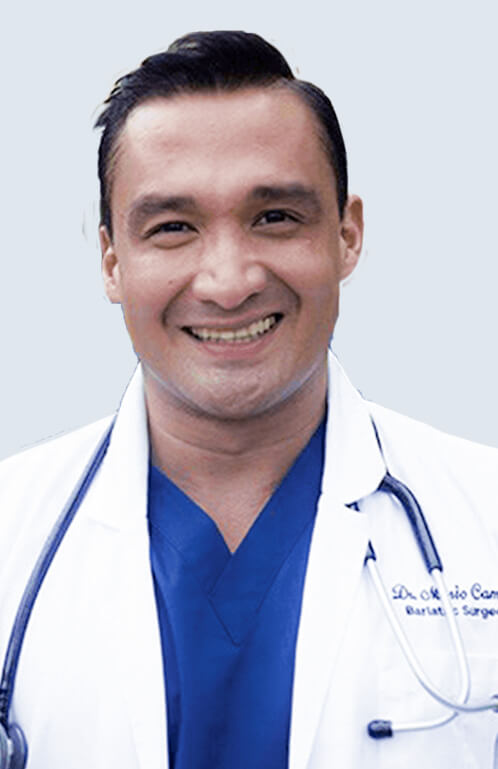
About the Author: Dr. Mario Camelo
Specialty: Bariatric Surgery and Advanced Laparoscopy
Dr. Mario Camelo is a leading bariatric surgeon in Tijuana, Mexico, with over 15 years of experience in weight loss surgery. Specialized in minimally invasive techniques, he has successfully performed procedures such as gastric sleeve, gastric bypass, revision surgeries, and Single-Incision Laparoscopic Surgery (SILS).
He specialized in advanced laparoscopy through a fellowship at Hospital Ángeles Tijuana and complements his practice with ongoing medical education. He is currently part of the Bariatrics MX team, and is certified by the Mexican Board of General Surgery.
You may also be interested in What can you never eat again after gastric bypass