
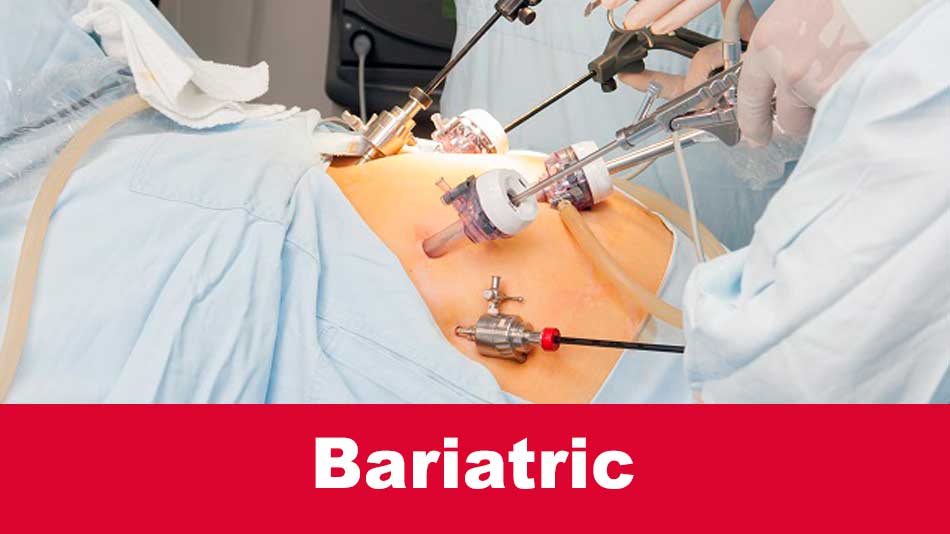
A bariatric specialist, also known as a weight loss physician, is a medical professional who specializes in the management of obesity as a chronic condition. Unlike general practitioners, bariatric specialists are highly trained to address not only weight loss but also the various health issues associated with obesity, such as heart disease, joint problems, diabetes, and even cancer. These specialists treat a wide range of medical problems related to obesity using both non-surgical and surgical approaches.
Bariatric specialists are typically recognized by the American Board of Obesity Medicine (ABOM) and the American Society for Metabolic and Bariatric Surgery (ASMBS). They are not typically recognized by the American Board of Plastic Surgery (ABPS), which focuses on cosmetic surgery rather than the medical management of obesity. Bariatric specialists may also have training in performing surgery for patients who are severely obese, helping them achieve and maintain an optimal weight.
Bariatric meaning
The term bariatric comes from the Greek words “baros” (weight) and “iatros” (physician or treatment). It refers to the medical field focused on the causes, prevention, and treatment of obesity. Over recent decades, bariatric surgical techniques have evolved to address obesity and its associated health risks effectively.
What is bariatrics?
Bariatrics is the branch of medicine dedicated to the prevention, treatment, and management of obesity as a chronic condition. This field encompasses both obesity medicine and bariatric surgery, aiming to improve the health and quality of life of individuals by addressing comorbidities such as type 2 diabetes, hypertension, sleep apnea, and cardiovascular disease.
Bariatric surgery refers to a range of surgical procedures designed to help individuals who are severely obese lose weight by altering the size of their stomach and/or the way their digestive system processes food. Bariatric surgery has been used for over 50 years and remains one of the most effective methods for significant and sustained weight loss in patients with morbid obesity.
Bariatric surgery includes various procedures such as gastric bypass, gastric sleeve, lap-band surgery, and more. While bariatric surgery is primarily intended for treating obesity, it can also be used to address related conditions, including diabetes, sleep apnea, and hypertension. These surgeries offer a tool to help patients reduce weight, but they require lifelong commitment to healthy eating and exercise habits for sustained success.
Types of bariatric surgery
There are several types of bariatric surgery, each with its approach to weight loss:
- Roux-en-Y Gastric Bypass (RYGB): One of the most common and well-known bariatric procedures. It involves creating a small pouch from the stomach and connecting it directly to the small intestine, bypassing a portion of the stomach and the first part of the small intestine. This limits the amount of food the patient can eat and reduces calorie absorption.
- Gastric Sleeve (Sleeve Gastrectomy): In this procedure, a large portion of the stomach is removed, leaving a smaller, sleeve-shaped stomach. This reduces the stomach’s capacity and decreases hunger.
- Adjustable Gastric Band (Lap-Band): A band is placed around the upper part of the stomach to create a small pouch. This limits the amount of food a person can eat by making them feel full more quickly.
- Duodenal Switch: This procedure combines a sleeve gastrectomy with a bypass of part of the small intestine, which reduces the body’s ability to absorb calories. It is typically reserved for patients with extreme obesity and is more complex than other procedures.
Each procedure has its advantages, and the choice of surgery depends on the patient’s health condition, weight loss goals, and medical history.
Benefits and risks of bariatric surgery
Bariatric surgery offers significant benefits, particularly for individuals who have been unable to lose weight through diet and exercise alone. The primary benefit is weight loss, which can dramatically improve a patient’s quality of life and reduce the risk of obesity-related diseases such as:
- Type 2 diabetes
- Hypertension (high blood pressure)
- Sleep apnea
- Heart disease
- Stroke
- Gallbladder disease
Moreover, bariatric surgery often results in improvements in mental health, as patients report better self-esteem and a reduction in symptoms of depression and anxiety related to obesity.
However, bariatric surgery is not without risks. Some of the potential risks include:
- Infections
- Nutrient deficiencies
- Gastrointestinal problems
- Blood clots
- Excess skin after weight loss
It’s important to note that bariatric surgery is not a cure for obesity. It is a tool that can help patients lose weight, but it requires ongoing lifestyle changes to maintain long-term weight loss. After surgery, patients must commit to a healthy diet and regular exercise to prevent weight regain.
Final summary
Obesity is a growing global health issue, and bariatric surgery has proven to be one of the most effective treatments for severe obesity. Bariatric surgery is not a quick-fix solution but a long-term weight loss strategy that can help patients achieve and maintain a healthy weight. It can also prevent or reverse obesity-related health conditions, allowing individuals to lead healthier lives.
If you are considering bariatric surgery or have concerns about your weight, it is important to consult a qualified bariatric specialist. A bariatric physician can assess your health status and determine whether you are a candidate for surgery, lifestyle changes, or other medical weight management programs. Taking the first step toward a healthier lifestyle can significantly improve your quality of life and reduce the risk of serious health complications.

About the Author: Dr. Mario Camelo
Specialty: Bariatric Surgery and Advanced Laparoscopy
Dr. Mario Camelo is a leading bariatric surgeon in Tijuana, Mexico, with over 15 years of experience in weight loss surgery. Specialized in minimally invasive techniques, he has successfully performed procedures such as gastric sleeve, gastric bypass, revision surgeries, and Single-Incision Laparoscopic Surgery (SILS).
He specialized in advanced laparoscopy through a fellowship at Hospital Ángeles Tijuana and complements his practice with ongoing medical education. He is currently part of the Bariatrics MX team, and is certified by the Mexican Board of General Surgery.